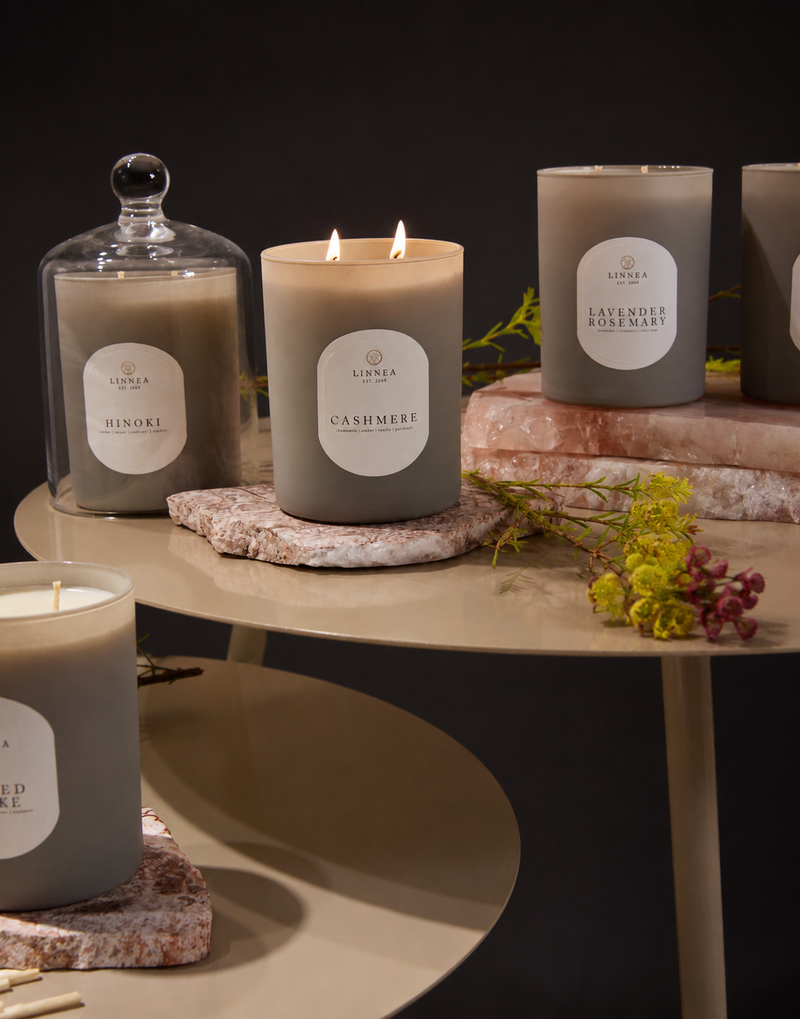
A room changes the moment you light something in it. Home fragrance candles work best matched to where they’re burning - light citrus or herbal notes for a kitchen, warm amber or woodsy notes for a living room, and soft floral or sandalwood notes for a bedroom, with a candle sized for 400–600 sq ft scenting an average room evenly for 2–4 hours per burn. Our candle collection, part of the wider Décor & Gift shop, is built room by room - so you’re not guessing which scent belongs where.
Home Fragrance for Every Room
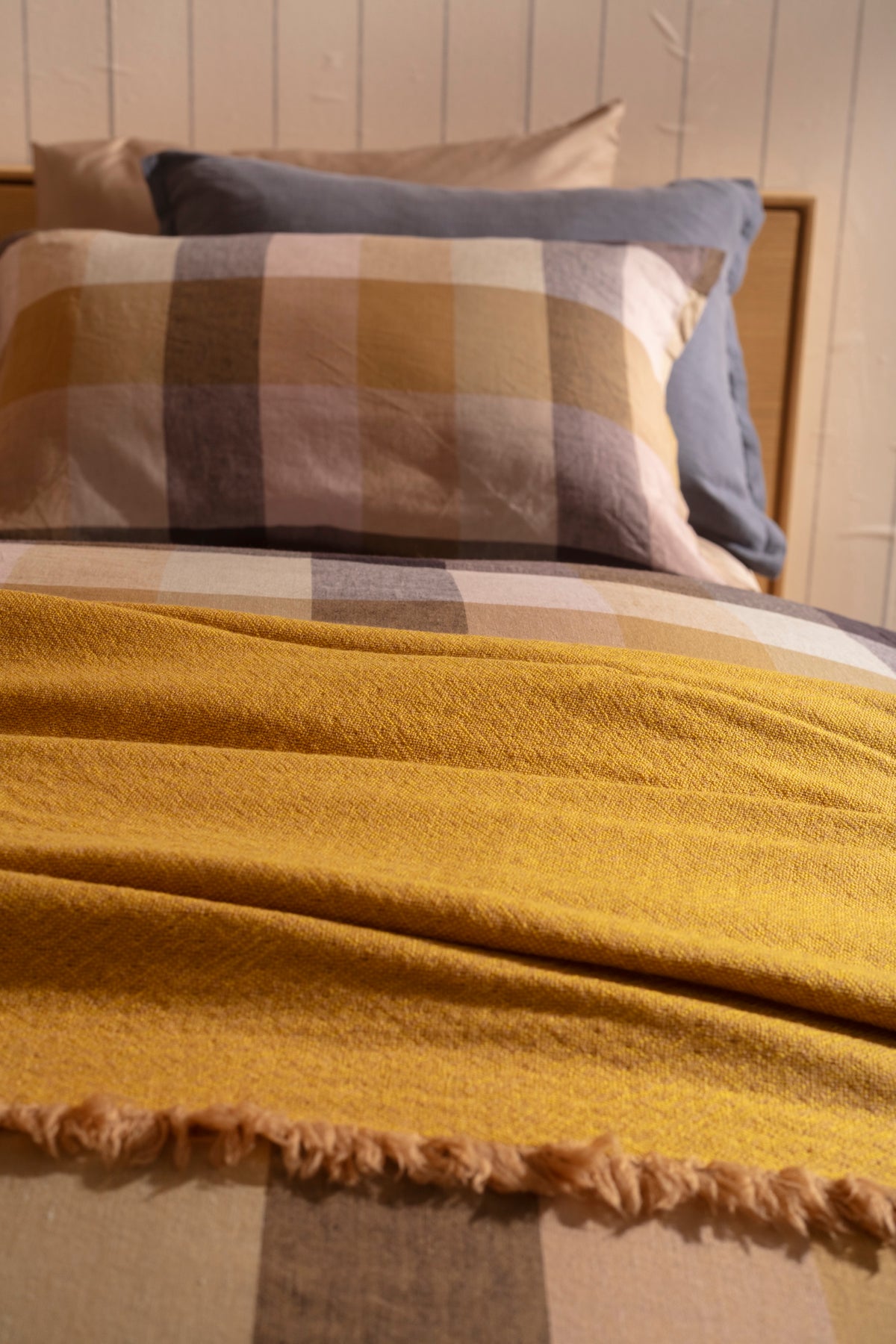
Fragrance behaves differently depending on where it’s burning. A kitchen candle has to compete with cooking smells, so citrus, herb, and clean linen notes hold up best next to your kitchen & dining essentials. A living room candle can carry something warmer - amber, fig, or cedar - layered in with your pillows & throws since it’s meant to linger through an evening. In a bedroom, lighter florals and sandalwood-based scents tend to read as calming rather than heavy, and pair naturally with bed & bath linens. Matching the fragrance to the room is the difference between a candle you notice once and a home fragrance that quietly does its job for months.
Why We Still Reach for Candles
Diffusers and sprays are more efficient, but home candles remain the default for a reason: the flame itself is part of the appeal. Lighting one marks the end of a workday or the start of having people over - it’s a small, repeatable ritual as much as a scent delivery method. That’s also why household candles are one of the most-gifted categories in home décor - they read as thoughtful without requiring the giver to know someone’s exact taste. Check new décor arrivals for the latest seasonal scents.
How to Choose a Candle for Each Room
Kitchen: citrus, herbal, or green tea notes cut through cooking odors without competing with food.
Living room: woodsy, amber, or leather-based scents suit longer burns and evening entertaining.
Bedroom: lavender, sandalwood, or light florals support winding down rather than energizing a space.
Bathroom: eucalyptus or fresh-linen scents pair well with steam and hold up in a smaller room.
As a rule of thumb, one room candle sized for roughly 400–600 sq ft will scent an average living or bedroom evenly without becoming overwhelming. Pair it with a candlestick or holder from candlesticks & incense holders for a finished display.
Shop the Candle & Home Fragrance Collection
Browse the full range by category: Candles & Diffusers for everyday scent, Candlesticks & Incense Holders to build out the display, and Fragrance for room sprays and reed diffusers that extend a scent between burns. Every piece here is chosen to work as home decor first and fragrance second - so it looks considered even before it’s lit.
Frequently Asked Questions
What’s the difference between a home fragrance and a candle?
A candle produces scent by burning wax and a wick; a home fragrance is a broader category that also includes reed diffusers, room sprays, and wax melts - products that scent a room without an open flame.
Which candle scents work best in a kitchen?
Citrus, herbal, and green tea notes work best in kitchens because they’re light enough to layer with cooking smells instead of competing with them. Heavier scents like vanilla or amber can read as cloying near food.
What size candle do I need for a living room?
A candle rated for roughly 400–600 square feet will scent an average living room evenly. Larger, open-plan spaces benefit from two smaller candles placed on opposite sides of the room rather than one oversized candle.
Are soy candles better than paraffin for home fragrance?
Soy candles burn cooler and slower, which spreads scent more gradually and produces less soot, while paraffin candles typically throw fragrance faster and stronger. Neither is strictly “better” - soy suits everyday ambiance, paraffin suits rooms where a stronger scent throw is the goal.
What’s a good starter fragrance for a bedroom?
Lavender and sandalwood are the two most common starting points for a bedroom candle, since both are associated with calm rather than energy, and neither is strong enough to feel overwhelming in a smaller, closed room.